Individual Therapy
Early Years (Ages 4-7)
Individualised educational therapy for N2 to K2 learners using research-based, multi-sensory approaches.
Supporting young learners aged 4 to 7

Ages 4 to 7 (N2 to K2)
Tailored for preschool children in Nursery 2 through Kindergarten 2 who need additional learning support.

Neurotypical & Neurodiverse
Supporting students with mild learning needs such as Dyslexia and ADHD, with adequate language and cognitive skills to access mainstream curriculum.

English, Math & SEL
Seeking support in English literacy, Mathematics, or Social-Emotional Learning.
What makes our approach different

Individualised Sessions
Each session is tailored to your child's unique learning profile, strengths, and areas for growth.

Research-Based Methods
We employ evidence-based instructional approaches backed by educational research and clinical practice.

Multi-Sensory Activities
Engaging hands-on activities that stimulate visual, auditory, and kinesthetic learning pathways.

Home Practice Tools
Hands-on learning tools provided for continued practice and reinforcement at home.

Progress Reviews
Half-yearly progress reviews and parent meetings to track development and adjust goals.

Engaging & Fun
Learning through play and interactive activities that keep young learners motivated and excited.
Check Out Our Services
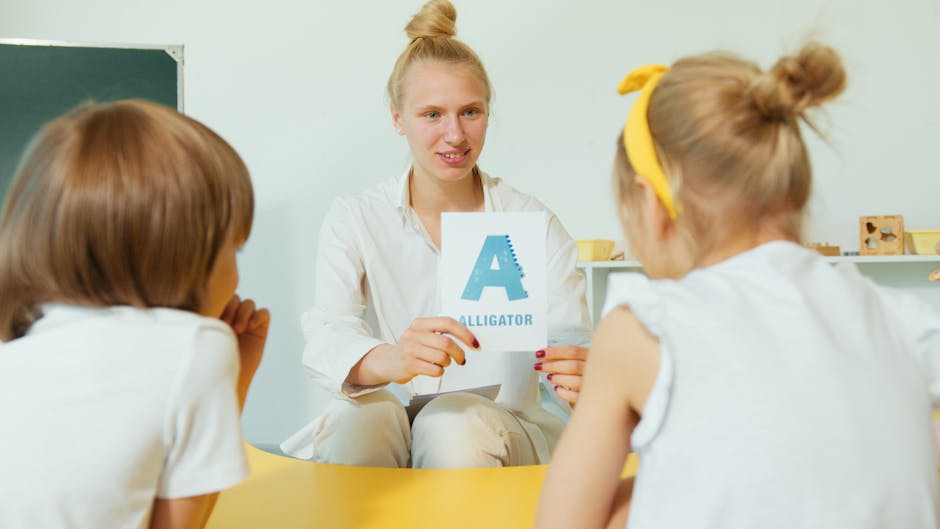
Educational Therapy (English)
Structured Literacy is an evidence-based approach for systematic language instruction. We employ multisensory Orton-Gillingham principles.
Word-Level Skills
- Phonological awareness
- Phonetic instruction (Phonology)
- Word Units (Morphology)
- Word Meaning (Semantics)
Sentence & Paragraph Level
- Language Comprehension (Semantics)
- Grammar Usage (Syntax)
- Verbal & Written Expression (Pragmatics)

Educational Therapy (Mathematics)
We support mathematical learning using the 3-stage Concrete-Representational-Abstract approach.
Concrete
- Students explore math concepts through tangible manipulatives and engaging multi-sensory learning experiences.
Representational
- Students extend their concrete understanding through pictorial and symbolic representations.
Abstract
- Students demonstrate concept mastery at the abstract level, through higher-order problem solving and heuristics.
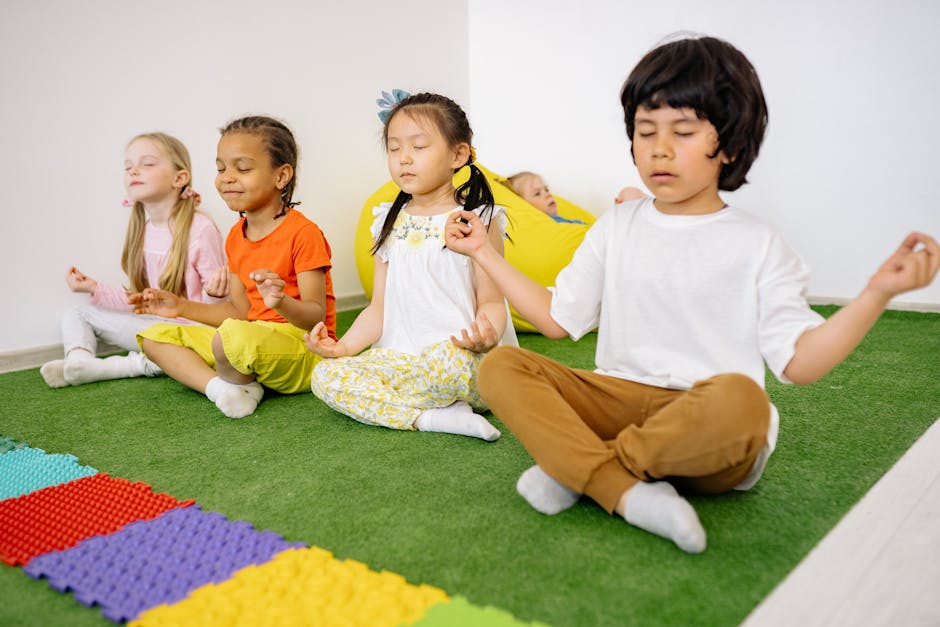
Social-Emotional Learning (Emotional Regulation)
We support social-emotional learning using research-based approaches including DIR, Social Thinking, Growth Mindset and the CASEL framework.
Emotional awareness and regulation are crucial in social interactions. Being aware of the thoughts and feelings of others leads to greater social awareness. Staying calm and regulated is also necessary for successful social interactions.
Emotional Regulation
- Self-awareness of thoughts and feelings
- Managing feeling, problem and reaction size
- Co-regulation with trusted adult
- Self-regulation through regulation techniques

Social-Emotional Learning (Social Skills)
We support social-emotional learning using research-based approaches including DIR, Social Thinking, Growth Mindset and the CASEL framework.
We support students to share attention and engage with others through fun and interactive activities. We also provide direct and explicit intervention to help students grasp social norms and unspoken rules.
Social Skills
- Sharing Attention
- Understanding Thoughts & Feelings
- Understanding Social Rules
- Practicing Social Pragmatics